Love this? Save it for later!
Share the inspiration with your friends
I was standing in the grocery store parking lot last October, fumbling for my keys, when the smell of someone’s car exhaust mixing with damp fallen leaves hit me—and suddenly I was seven years old, crouched on the linoleum floor of my Aunt Jo’s tiny apartment kitchen, watching her scrape browned butter off the bottom of a pan with a rubber spatula. The memory was so sharp it almost hurt. She’d been gone for years by then, and I couldn’t remember the last time I’d thought about that specific afternoon. She wasn’t even a particularly good cook, honestly—she burned toast more often than not—but that pasta she made, the one with the crispy sage leaves and the nutty, toasty butter, was the only thing she never messed up. I remember the way the steam fogged up her little window, and how she let me lick the spoon, which my mom never did. I couldn’t tell you what we talked about that day, or why I was even there, but I can still feel the warmth of that kitchen and the quiet satisfaction of a simple, perfect meal. Maybe you’ve been there—that one dish that’s more about the person who made it than the food itself. That’s what this budget-friendly fall pasta is for me. It’s not fancy, and it doesn’t try to be. But every time I make it, I’m right back on that linoleum floor, and for a minute, she’s still there.
Why You’ll Love This Recipe
Let’s be real—feeding a family on a budget while still trying to make something that feels special is a constant juggling act. This pasta is my secret weapon for those nights when I need a win without breaking the bank. It’s been tested on picky kids, skeptical spouses, and even a few dinner guests who asked for the recipe before they finished their plate.
- Quick & Easy: From start to finish, this dish comes together in under 30 minutes. That’s faster than ordering takeout, and way cheaper.
- Simple Ingredients: You probably already have butter, pasta, and sage in your kitchen right now. No fancy grocery trips or exotic spices needed.
- Perfect for Busy Weeknights: When you’re tired and the kids are hungry, this recipe doesn’t ask much of you. It’s forgiving, flexible, and always delivers.
- Crowd-Pleaser: I’ve served this to toddlers and grandparents, and somehow it disappears every time. The nutty brown butter and crispy sage are just universally good.
- Unbelievably Delicious: It’s one of those dishes that tastes way more expensive than it is. The secret is in the technique—browning the butter until it smells like toasted hazelnuts and letting the sage get perfectly crisp.
This isn’t just another pasta recipe. It’s the one I turn to when I need comfort, when I’m short on time, and when I want to feel like I pulled off something special with almost no effort. Honestly, it’s the kind of meal that makes you close your eyes after the first bite—and that’s coming from someone who’s made it at least fifty times.
What Ingredients You Will Need
This recipe uses simple, humble ingredients to create something that tastes surprisingly luxurious. The magic is in how they come together, not in how much they cost.
- 1 pound (450g) dried pasta – I recommend a short, sturdy shape like rigatoni, fusilli, or penne. The ridges catch the brown butter sauce beautifully. My personal favorite is De Cecco brand for its texture, but any good-quality pasta works.
- 1/2 cup (1 stick or 113g) unsalted butter – Don’t skimp here. Use real butter, not margarine. The browning process is what gives this dish its deep, nutty flavor.
- 1/2 cup (about 12g) fresh sage leaves – Fresh is non-negotiable for that aromatic, earthy flavor. Dried sage just won’t give you the same result. Look for leaves that are bright green and not wilted.
- 1/2 cup (50g) grated Parmesan cheese – Plus extra for serving. Buy a block and grate it yourself if you can—it melts better and has more flavor than the pre-shredded stuff. For a budget-friendly option, Pecorino Romano works great too.
- 1/2 teaspoon salt – Plus more for the pasta water. I use fine sea salt.
- 1/4 teaspoon black pepper – Freshly ground is best.
- 1/4 teaspoon red pepper flakes (optional) – Adds a tiny kick that balances the richness. My kids don’t mind it, but you can skip it if you’re sensitive to heat.
- 1 tablespoon lemon juice (optional) – A squeeze at the end brightens everything up. I add it about half the time, depending on my mood.
That’s it. Seven ingredients, and you probably have most of them already. The beauty of this recipe is that it doesn’t rely on expensive cuts of meat or hard-to-find produce. It’s a testament to how a little technique can transform the ordinary into something memorable.
Equipment Needed
You don’t need a fancy kitchen to make this pasta. Here’s what you’ll need:
- Large pot – For boiling the pasta. A 5- to 6-quart pot is ideal.
- Large skillet or sauté pan – A 12-inch pan with a light-colored interior is best for browning butter so you can see the color change. Stainless steel or non-stick both work.
- Wooden spoon or silicone spatula – For stirring the butter as it browns.
- Colander – For draining the pasta.
- Measuring cups and spoons – Standard set will do.
- Microplane or box grater – For grating the Parmesan. A microplane is my go-to because it creates fluffy, melt-in-your-mouth shreds.
- Chef’s knife and cutting board – For chopping sage if you prefer it smaller, though I like leaving the leaves whole.
If you don’t have a light-colored pan, just keep a close eye on the butter—it can go from browned to burned in seconds. I learned that the hard way my first time making this, and let me tell you, the smoke alarm did not appreciate it.
Preparation Method
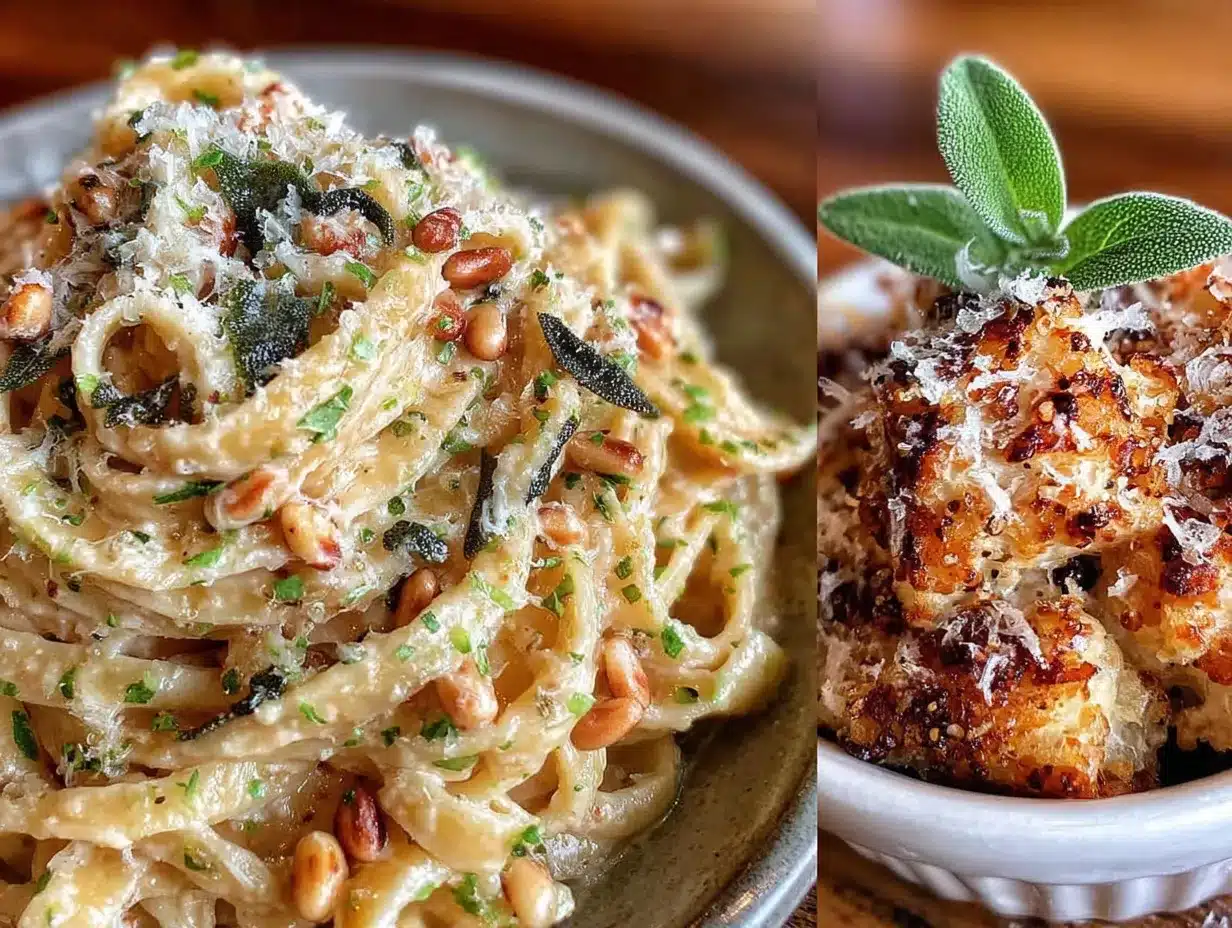
This recipe moves fast, so I recommend having all your ingredients measured and ready before you start. Trust me, it makes everything smoother.
- Bring a large pot of salted water to a rolling boil. Use about 1 tablespoon of salt per 4 quarts of water. The pasta water should taste like the sea—this is your only chance to season the pasta from the inside out.
- Add the pasta and cook according to package directions until al dente. For most shapes, that’s about 8-10 minutes. Stir occasionally to prevent sticking. While the pasta cooks, start the brown butter sauce.
- While the pasta is cooking, melt the butter in a large skillet over medium heat. Swirl the pan occasionally. The butter will start to foam and sizzle—that’s normal.
- Add the fresh sage leaves to the butter. Let them sizzle and crisp up for about 1-2 minutes. You’ll see them darken slightly and become fragrant. Use a slotted spoon to remove the sage leaves and set them aside on a paper towel. They’ll crisp up further as they cool.
- Continue cooking the butter, swirling the pan frequently. Watch for the color to change from pale yellow to a warm golden brown, and for small brown specks to appear at the bottom of the pan. This takes about 3-5 minutes total. The butter will smell nutty and toasty—that’s your cue. Remove the pan from the heat immediately to prevent burning.
- Reserve about 1 cup of pasta water before draining. Use a liquid measuring cup or a mug to scoop it out. This starchy water is liquid gold—it helps the sauce cling to the pasta.
- Drain the pasta and add it directly to the skillet with the brown butter. Toss to coat evenly. The residual heat will help everything meld together.
- Add the grated Parmesan cheese and 1/4 cup of the reserved pasta water. Toss vigorously until the cheese melts and forms a silky sauce that coats each piece of pasta. If the sauce seems too thick, add more pasta water a tablespoon at a time until it reaches your desired consistency.
- Season with salt, black pepper, and red pepper flakes if using. Taste and adjust. Remember that the Parmesan is salty, so go easy on the salt at first.
- Squeeze a little lemon juice over the top if you want that brightness. It’s optional, but I find it cuts through the richness beautifully.
- Serve immediately, topped with the crispy sage leaves and extra Parmesan. The pasta waits for no one—brown butter sauce is best enjoyed fresh.
One thing I always do is reserve more pasta water than I think I’ll need. There’s nothing worse than running out mid-toss and having to scramble for plain water. I’ve been there, and the sauce just doesn’t come together the same way.
Cooking Tips & Techniques
Browning butter is one of those techniques that looks intimidating but is actually pretty simple once you know what to look for. Here are a few lessons I’ve learned the hard way.
Don’t walk away from the butter. I cannot stress this enough. The transition from brown to burnt happens in seconds. Stay at the stove, swirl the pan constantly, and use your nose—when it smells like toasted nuts, you’re there.
Use a light-colored pan. Dark non-stick pans make it nearly impossible to see the color change. If that’s all you have, rely on smell and the appearance of brown specks at the bottom.
Cut the butter into pieces. This helps it melt evenly and brown more consistently. I cut my stick into 8-10 pieces before dropping it in the pan.
Don’t skip the pasta water. I know it sounds like an extra step, but the starch in that water is what binds the sauce to the pasta. Without it, you’ll end up with a greasy mess instead of a silky coating.
Toast the sage leaves separately. If you leave them in the butter the whole time, they’ll burn before the butter is fully browned. I take them out after about a minute and let them crisp on a paper towel. They’re also fantastic crumbled over the top for texture.
I once tried to rush this recipe by using a higher heat to brown the butter faster. Let’s just say my kitchen smelled like a campfire for two days. Slow and steady wins this race.
Variations & Adaptations
This recipe is endlessly adaptable, which is one of the reasons I keep coming back to it. Here are a few ways I’ve switched it up over the years.
Add some protein: Toss in cooked, crumbled Italian sausage or shredded rotisserie chicken at the end. My family loves it with crispy pancetta or bacon bits stirred in. It stretches the meal further and makes it feel more substantial.
Go vegetarian or vegan: Use a high-quality vegan butter and nutritional yeast in place of the Parmesan. The brown butter flavor still shines through beautifully. I’ve tested this with my vegan sister-in-law, and she gave it two thumbs up.
Swap the pasta: This sauce works wonders on whole wheat pasta, gluten-free pasta, or even zucchini noodles for a low-carb option. Just adjust cooking times accordingly. For gluten-free, I recommend a brown rice or corn-based pasta for the best texture.
Add vegetables: Throw in some sautéed mushrooms, wilted spinach, or roasted butternut squash cubes. In the fall, I love adding roasted pumpkin seeds for crunch. It’s a great way to use up whatever’s in your crisper drawer.
Make it spicy: Double the red pepper flakes or add a pinch of cayenne. My husband loves it this way, though the kids usually stick to the mild version.
One of my favorite variations is to stir in a handful of fresh baby spinach right at the end. It wilts into the hot pasta and adds a pop of color and nutrition without changing the flavor much. My kids don’t even notice.
Serving & Storage Suggestions
This pasta is best served immediately, while the sauce is still glossy and warm. I like to plate it in shallow bowls and top each serving with a few crispy sage leaves and a generous shower of Parmesan. A side of crusty bread is perfect for sopping up any extra sauce left in the bowl.
For a complete meal, serve alongside a simple green salad with a lemon vinaigrette. The acidity cuts through the richness of the brown butter. A glass of crisp white wine, like a Sauvignon Blanc or Pinot Grigio, pairs beautifully if you’re feeling fancy.
Storage: Leftovers can be stored in an airtight container in the refrigerator for up to 3 days. The pasta will absorb some of the sauce, so it won’t be quite as silky when reheated. To revive it, add a splash of milk or cream and reheat gently in a skillet over low heat, stirring frequently.
Freezing: I don’t recommend freezing this dish, as the sauce can separate and become grainy upon thawing. It’s really best enjoyed fresh. That said, you can freeze the crispy sage leaves separately in a sealed bag for up to a month—just re-crisp them in a dry skillet before using.
The flavors actually meld and deepen after a day in the fridge. I’ve been known to make a double batch on purpose just for lunch the next day. Cold, straight from the container? Don’t judge me.
Nutritional Information & Benefits
While this is definitely a comfort food, it does have some redeeming qualities. Here’s a rough estimate per serving (based on 6 servings):
- Calories: ~420
- Fat: 22g
- Carbohydrates: 45g
- Protein: 12g
- Fiber: 2g
Butter, when browned, actually develops compounds called melanoidins, which have antioxidant properties. Sage is packed with vitamin K and has anti-inflammatory benefits. And Parmesan is a good source of calcium and protein. So while I wouldn’t call this a health food, it’s not exactly junk either.
For those watching their sodium, you can reduce the salt in the pasta water and use a low-sodium Parmesan. The red pepper flakes also offer a metabolism boost, if that’s your thing.
I personally love that this dish feels indulgent without being heavy. It’s the kind of meal that satisfies a craving without leaving you sluggish. That’s a win in my book.
Frequently Asked Questions
Can I use dried sage instead of fresh?
I really don’t recommend it. Fresh sage has a delicate, aromatic quality that dried sage just can’t replicate. The leaves crisp up beautifully when fried in butter, while dried sage tends to become bitter and dusty. If you’re in a pinch, you can substitute fresh thyme or rosemary for a different but still delicious flavor.
Why did my butter burn?
It happens to the best of us. Burnt butter usually results from using too high heat or not watching the pan closely enough. The key is to cook it over medium heat and keep swirling. Once you see brown specks forming and smell that nutty aroma, pull it off the heat immediately. If it smells acrid or looks dark brown, it’s gone too far.
Can I make this recipe gluten-free?
Absolutely! Just use your favorite gluten-free pasta. I’ve had great results with brown rice pasta and chickpea pasta. The sauce itself is naturally gluten-free, so you only need to swap the noodles. Just be careful not to overcook gluten-free pasta—it can turn mushy quickly.
How do I make this recipe dairy-free?
Use a high-quality vegan butter (I like Miyoko’s or Earth Balance) and a dairy-free Parmesan alternative. Nutritional yeast can also add a cheesy, umami flavor. The browning process works the same with vegan butter, though the flavor will be slightly different. It’s still delicious, just not quite as rich.
Can I add meat to this pasta?
Definitely. Cooked Italian sausage, crispy bacon, pancetta, or shredded rotisserie chicken all work beautifully. Just stir them in at the end with the pasta and sauce. For a heartier meal, I sometimes add a pound of ground turkey or beef, browned and seasoned with salt and pepper. It stretches the dish further and adds protein.
Conclusion
This budget-friendly fall pasta with brown butter and sage is more than just a recipe—it’s a reminder that the best meals don’t have to be complicated or expensive. With just a few simple ingredients and a little attention to technique, you can create something that feels truly special. It’s the kind of dish that brings people together, that makes a Tuesday night feel like a celebration, and that leaves you with an empty bowl and a full heart.
I hope you give it a try and make it your own. Maybe you’ll add a little extra sage, or a squeeze of lemon, or a handful of spinach. That’s the beauty of cooking—it’s always evolving. I’d love to hear how it turns out for you. Drop a comment below and let me know what variations you tried, or tag me in your photos on social media. Until next time, happy cooking!
Pin This Recipe!
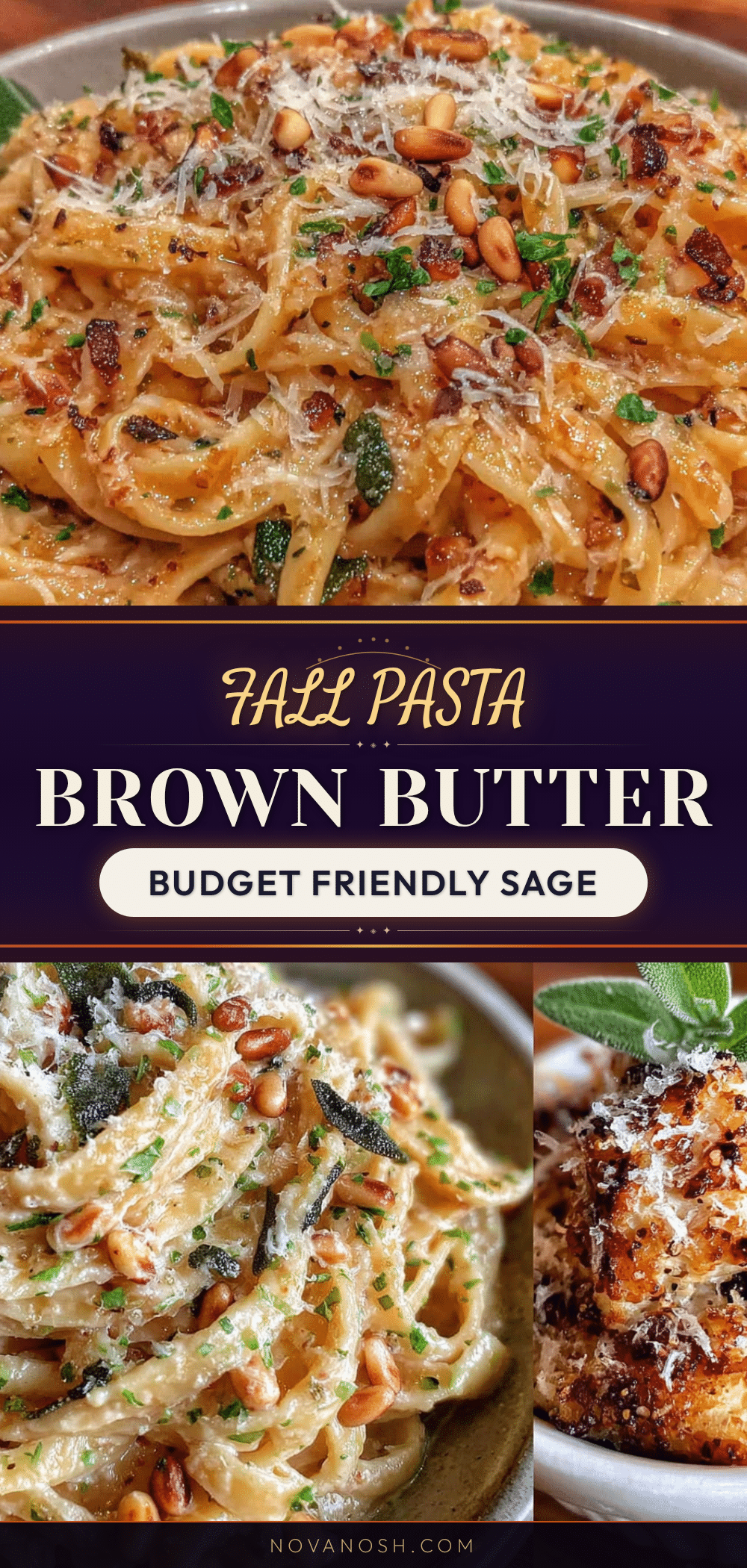
Budget-Friendly Fall Pasta with Brown Butter and Sage
A quick and easy pasta dish with nutty brown butter and crispy sage, perfect for busy weeknights. Made with simple, budget-friendly ingredients, it tastes surprisingly luxurious.
- Prep Time: 5 minutes
- Cook Time: 20 minutes
- Total Time: 25 minutes
- Yield: 6 servings 1x
- Category: Main Course
- Cuisine: Italian
Ingredients
- 1 pound (450g) dried pasta (rigatoni, fusilli, or penne)
- 1/2 cup (1 stick or 113g) unsalted butter
- 1/2 cup (about 12g) fresh sage leaves
- 1/2 cup (50g) grated Parmesan cheese, plus extra for serving
- 1/2 teaspoon salt, plus more for pasta water
- 1/4 teaspoon black pepper, freshly ground
- 1/4 teaspoon red pepper flakes (optional)
- 1 tablespoon lemon juice (optional)
Instructions
- Bring a large pot of salted water to a rolling boil. Use about 1 tablespoon of salt per 4 quarts of water.
- Add the pasta and cook according to package directions until al dente, about 8-10 minutes. Stir occasionally.
- While the pasta is cooking, melt the butter in a large skillet over medium heat. Swirl the pan occasionally.
- Add the fresh sage leaves to the butter. Let them sizzle and crisp up for about 1-2 minutes. Use a slotted spoon to remove the sage leaves and set them aside on a paper towel.
- Continue cooking the butter, swirling the pan frequently, until it turns a warm golden brown and small brown specks appear at the bottom of the pan, about 3-5 minutes. Remove from heat immediately.
- Reserve about 1 cup of pasta water before draining.
- Drain the pasta and add it directly to the skillet with the brown butter. Toss to coat evenly.
- Add the grated Parmesan cheese and 1/4 cup of the reserved pasta water. Toss vigorously until the cheese melts and forms a silky sauce. Add more pasta water if needed.
- Season with salt, black pepper, and red pepper flakes if using. Taste and adjust.
- Squeeze a little lemon juice over the top if desired.
- Serve immediately, topped with the crispy sage leaves and extra Parmesan.
Notes
Don’t walk away from the butter while browning; it can burn quickly. Use a light-colored pan to see the color change. Reserve more pasta water than you think you’ll need. The pasta is best served immediately.
Nutrition
- Serving Size: 1 serving (about 1/6
- Calories: 420
- Sugar: 1
- Sodium: 480
- Fat: 22
- Saturated Fat: 13
- Carbohydrates: 45
- Fiber: 2
- Protein: 12
Keywords: brown butter pasta, sage pasta, budget-friendly pasta, fall pasta, quick pasta, easy pasta recipe