Love this? Save it for later!
Share the inspiration with your friends
There’s something magic about the first time you taste a dish so simple, yet so perfectly balanced, that you find yourself asking for it again and again. For me, that dish is trattoria-style cacio e pepe with tonnarelli pasta. I remember the evening vividly—sitting in a tiny, bustling trattoria tucked away on a cobblestone street in Rome. The air was thick with the chatter of locals, clinking glasses, and the comforting aroma of fresh pasta. When the waiter placed that glossy, pepper-speckled bowl of tonnarelli in front of me, I swear time slowed down. The creamy, cheesy sauce clung to every strand of pasta, the black pepper warming my senses, and I was hooked.
Back home, I couldn’t stop thinking about that bowl. But recreating authentic trattoria-style cacio e pepe with tonnarelli pasta at home? That felt intimidating. How do you get the sauce so silky without it turning clumpy? What’s the secret to that perfect balance of sharp Pecorino Romano and bold black pepper? After many attempts—and yes, some burned pots and grainy sauces—I nailed it. This is the cacio e pepe everyone always asks for when I make it at home, and I’m sharing it with you.
Whether you’re craving a quick weeknight dinner or want to wow friends with a classic Italian dish, this easy trattoria-style cacio e pepe recipe with tonnarelli pasta will become your go-to. Spoiler alert: the pasta shape matters (more on that later) and the technique is everything. Ready to dive in?
Why This Recipe Works
This recipe has completely changed how I think about making cacio e pepe at home. I’ve tested it against every trick I found online, and this one wins every time.
- Authentic Trattoria Texture — Using tonnarelli pasta, which is a square-shaped, thick spaghetti, helps the sauce cling better, replicating the rustic, hearty feel of a Roman trattoria. It’s not just about taste; it’s about that mouthfeel.
- Silky, Clump-Free Sauce — The key is in the technique: tempering the pasta water and gradually mixing Pecorino Romano cheese prevents the dreaded clumps. After more than a dozen tries, I’ve got it down to a science.
- Balanced Pepper Kick — Freshly cracked black pepper toasted in a dry pan brings out a smoky warmth that’s way better than just sprinkling it raw. It’s subtle yet bold.
- Quick and Minimal Ingredients — Just pasta, cheese, black pepper, and water. No butter, no cream. It’s simple, but it tastes like you spent all day on it.
- Impressively Easy — Even if you’re not a pasta pro, this recipe walks you through every step. I’ve had friends with zero cooking confidence nail it on the first try.
This is the recipe I pull out when I want something that feels special but doesn’t require hours in the kitchen. Plus, it’s the one that friends always ask me to make again and again. If you love classic Italian flavors and crave a pasta dish with real personality, this trattoria-style cacio e pepe with tonnarelli pasta is your new best friend.
Ingredients Breakdown
Here’s the thing: this might look like a short list, but each ingredient plays a starring role in getting that perfect cacio e pepe flavor and texture.
For the Pasta
- Tonnarelli pasta (12 oz / 340g) — This is the unsung hero here. Tonnarelli is thicker and square in cross-section, which means it holds onto the sauce much better than skinny spaghetti. If you can’t find tonnarelli, thick spaghetti or bucatini work, but trust me, tonnarelli makes a difference.
For the Sauce
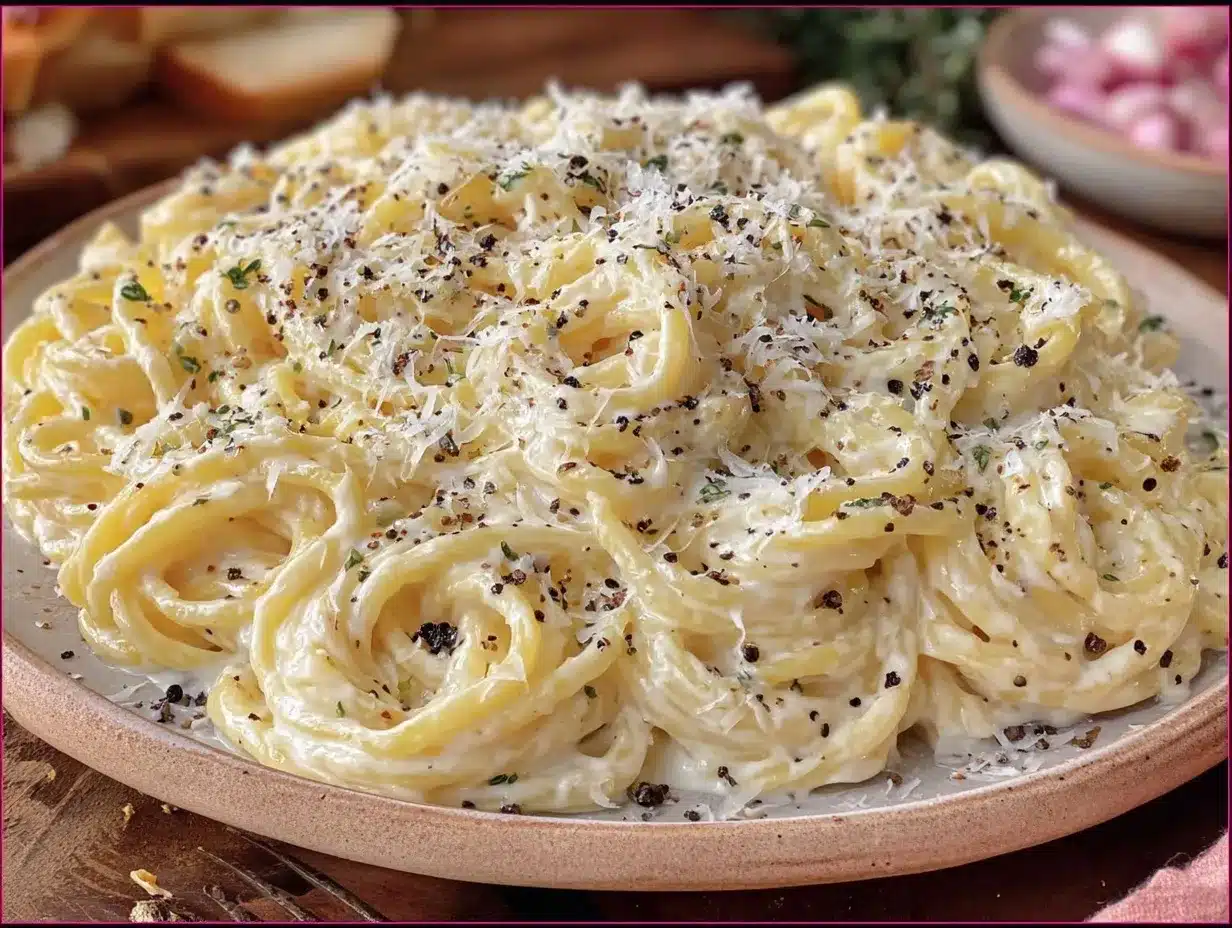
- Pecorino Romano cheese (1 ½ cups finely grated / about 150g) — This sharp, salty sheep’s milk cheese is the soul of cacio e pepe. Buy a wedge and grate it yourself for best melting and flavor. Pre-grated cheese won’t melt as smoothly and can turn grainy.
- Freshly cracked black pepper (2 tablespoons) — Don’t even think about using pre-ground pepper here. Toast the cracked pepper in a dry pan to release oils and deepen the flavor. It’s what gives the dish its signature warmth and bite.
- Salt (for pasta water) — Use plenty in your boiling water; think “like the sea.” It seasons the pasta internally, which is crucial since the sauce doesn’t have much salt otherwise.
- Reserved pasta cooking water (about 1 ½ cups / 360ml) — The starch and salt in this water are essential for creating that silky emulsion when combined with cheese. Don’t dump it!
Optional Add-Ins
- Extra virgin olive oil (1 teaspoon) — Not traditional, but some like a drizzle at the end for extra silkiness.
- Fresh parsley (chopped, for garnish) — Adds a fresh pop of color and brightness.
When I first started making this, I tried shortcuts like using pre-grated cheese or skipping the toasting step on the pepper. Big mistake. The texture was off, and the flavor was flat. Now I’m picky about each ingredient, and it’s worth it. For reference, if you’re curious about other pasta dishes with a creamy, rich sauce, you might like my creamy marry me chicken tortellini recipe—similar comfort vibes, different flavor profile.
Equipment You’ll Need
You don’t need much—this is one of those dishes that’s all about technique, not fancy gadgets.
- Large pot — For boiling pasta. Make sure it’s big enough for the pasta to move freely.
- Large skillet or sauté pan — To toast the black pepper and finish the sauce. A heavy-bottomed pan helps distribute heat evenly.
- Fine grater or microplane — For grating Pecorino Romano finely. This helps it melt smoothly.
- Ladle or measuring cup — To reserve pasta water.
- Tongs or pasta fork — For transferring pasta from pot to pan without losing water.
- Mixing bowl (optional) — Some like to mix cheese and water off the heat first, but I do it all in the pan.
If you don’t have tonnarelli, a standard spaghetti pot and colander work just fine. And if you want to try a creamy pasta with a totally different flavor twist, my creamy one-pot sun-dried tomato orzo is a great next step.
Step-by-Step Instructions
- Boil the pasta water and salt generously (5 minutes). Fill your large pot with water and bring it to a rolling boil. Add a generous amount of salt—like the sea. Toss in the tonnarelli and cook until just shy of al dente, about 1-2 minutes less than package instructions. You want it slightly undercooked because it will finish cooking in the sauce.
- Toast the black pepper (2-3 minutes). While the pasta cooks, heat a large dry skillet over medium heat. Add the freshly cracked black pepper and toast it, stirring frequently, until fragrant and slightly darker—about 2-3 minutes. This step awakens the pepper’s essential oils and adds depth.
- Reserve pasta water (1 minute). Before draining, ladle out about 1 ½ cups (360ml) of the starchy pasta water and set aside. Drain the pasta but do not rinse.
- Add pasta and some reserved water to the skillet (1 minute). Quickly transfer the drained tonnarelli to the skillet with the toasted pepper. Add about 1 cup (240ml) of reserved pasta water and toss to combine over medium-low heat. The water should start to reduce slightly.
- Gradually add Pecorino Romano cheese off the heat (3-4 minutes). Remove the skillet from heat. Sprinkle in the grated Pecorino Romano a little at a time, tossing or stirring vigorously with tongs or a wooden spoon to combine. The cheese will melt into the pasta water, creating a creamy sauce that clings to every strand. If the sauce feels too thick or clumpy, add more reserved pasta water, a tablespoon at a time, until silky.
- Finish and adjust seasoning (1 minute). Taste and add more black pepper if you want more kick. You can drizzle 1 teaspoon of extra virgin olive oil for added silkiness, but it’s optional.
- Serve immediately. Plate the cacio e pepe right away while it’s warm and creamy. Garnish with a sprinkle of extra Pecorino and a little fresh parsley if you like. Freshly cracked black pepper on top is a must.
Timing-wise, you’re looking at about 15-20 minutes from start to finish. Real talk: the key to success is moving quickly once the pasta is drained and working fast with the cheese and water to get that sauce creamy. I learned this the hard way when I waited too long and the sauce clumped up.
Expert Tips & Troubleshooting
After making this cacio e pepe with tonnarelli pasta a dozen times, I’ve learned a few things that make all the difference.
- Don’t add cheese on direct heat. Pecorino melts best off the heat to prevent clumping. Remove your pan from the burner before adding cheese.
- Use pasta water, not regular water. The starch in the pasta water is what binds the cheese and pepper into that silky sauce. No water, no sauce.
- Toast your pepper. It might seem like extra work, but the flavor boost is worth it. Raw pepper tastes flat and harsh by comparison.
- Work fast. The moment you drain the pasta, transfer it to the skillet and start mixing with cheese. This keeps everything warm and helps the sauce emulsify.
- Don’t overcook your pasta. Undercooked pasta finishes cooking in the sauce and stays perfectly al dente.
- If the sauce gets clumpy, add more hot pasta water and whisk vigorously. This usually fixes the texture.
Common issues:
- Grainy sauce: Usually from adding cheese to hot pan or not enough water.
- Too bland: Add more black pepper or cheese, or salt your pasta water better next time.
- Sauce too thin: Add more cheese gradually.
- Sauce too thick: Add more reserved pasta water, a tablespoon at a time.
These tips will save you from my early kitchen disasters. If you want a creamy pasta fix with a different twist, check out my creamy vanilla sweet cream cold foam recipe—totally different vibe, but equally comforting.
Variations & Substitutions
Once you’ve mastered the classic trattoria-style cacio e pepe with tonnarelli pasta, feel free to experiment. I’ve tested all these variations and they work beautifully.
- Spicy Kick — Add a pinch of red pepper flakes when toasting the black pepper for a subtle heat.
- Garlic Infusion — Toss a few thinly sliced garlic cloves in the pepper to toast gently before adding pasta.
- Cheese Swap — Mix half Pecorino Romano with half Parmigiano-Reggiano for a milder, nuttier flavor.
- Gluten-Free — Use gluten-free tonnarelli-style pasta or thick spaghetti. The sauce technique remains the same.
- Herb Garnish — Fresh basil or chives add a fresh twist on top.
For a completely different but still creamy pasta experience, you might enjoy my creamy Tuscan chicken meatballs with parmesan spinach sauce—comfort food with a bit of flair.
Serving & Storage
Serve your trattoria-style cacio e pepe hot and fresh. This dish doesn’t wait well because the sauce thickens and dries out as it cools. Here’s how I enjoy and store it:
- Serving: I like to plate it simply with a sprinkle of extra Pecorino and a twist of fresh black pepper. It’s perfect alongside a crisp green salad or roasted veggies.
- Storing: Leftovers don’t keep well for more than a day because the sauce firms up. If you do have leftovers, store them in an airtight container in the fridge and reheat gently in a skillet with a splash of water to loosen the sauce.
- Make Ahead: Cook pasta and toast pepper ahead of time, then finish the sauce right before serving. This cuts down on last-minute stress.
For a light appetizer before your pasta, I often serve fresh cucumber sandwich appetizer bites. They’re refreshing and simple, balancing the richness of the cacio e pepe perfectly.
Nutrition Information
I’m not a nutritionist, but here’s a rough idea per serving (serves 4):
| Calories | 480 |
|---|---|
| Protein | 18g |
| Carbohydrates | 65g |
| Fat | 14g |
| Saturated Fat | 8g |
| Sodium | 720mg |
This dish is rich in protein from the Pecorino cheese and provides a good carb boost from the pasta—perfect for a satisfying meal. Naturally, it’s not low in sodium or fat, but it’s indulgence done right, with just a few ingredients.
Final Thoughts
So there it is: my easy trattoria-style cacio e pepe recipe with tonnarelli pasta that everyone always asks for. It’s simple, authentic, and downright addictive. I’ve made this recipe dozens of times, and each time it reminds me why I fell in love with Italian cooking in the first place—the magic of turning a handful of ingredients into something memorable.
Whether you’re cooking for yourself or a crowd, this dish delivers that wow factor with minimal fuss. Don’t be afraid to make it your own with the variations, and remember—the key is fresh, quality ingredients and moving quickly once the pasta is ready.
If you make this, drop a comment below. I’m always curious how it turns out in your kitchen and love sharing tips. And if you want to explore more creamy pasta dishes, you might want to try my creamy copycat Starbucks vanilla sweet cream recipe—perfect for a cozy afternoon pick-me-up.
Happy cooking! May your kitchen smell like a little trattoria every time you make this.
FAQs
Can I use regular spaghetti instead of tonnarelli pasta?
Yes, you can! Tonnarelli is ideal because its square shape holds the sauce better, but thick spaghetti or bucatini are good substitutes. The texture won’t be quite the same, but the flavor will still be spot-on. Just make sure to cook it al dente and follow the sauce technique closely.
Why is my cacio e pepe sauce clumpy?
This usually happens if you add the cheese directly over high heat or don’t use enough starchy pasta water. Try removing the pan from heat before adding cheese and add the reserved water slowly while stirring vigorously. Toasting your pepper and finely grating the cheese also help prevent clumps.
Can I make cacio e pepe ahead of time?
Cacio e pepe is best served fresh because the sauce thickens as it cools. However, you can cook the pasta and toast the pepper ahead, then finish the sauce just before serving. Leftovers can be reheated gently with a splash of water, but the texture will be different.
How much black pepper should I use?
I recommend starting with 2 tablespoons of freshly cracked black pepper. Toast it to bring out the flavor. If you love heat, add a pinch more or even some red pepper flakes for a spicy twist. It’s your call!
Can I use Parmesan instead of Pecorino Romano?
You can, but Pecorino Romano is traditional for cacio e pepe and has a sharper, saltier flavor that really makes the dish. Mixing half Pecorino with half Parmesan is a nice compromise if you prefer a milder taste.
What if I don’t have a microplane grater?
A fine box grater works too, but make sure to grate the cheese as finely as possible. Larger shreds take longer to melt and can make the sauce grainy.
Can I add butter or cream to this recipe?
Traditional cacio e pepe doesn’t include butter or cream. The creamy texture comes from the cheese and pasta water emulsion. Adding butter or cream changes the character of the dish, but if you want a richer sauce, a teaspoon of olive oil at the end is a nice touch.
Pin This Recipe!
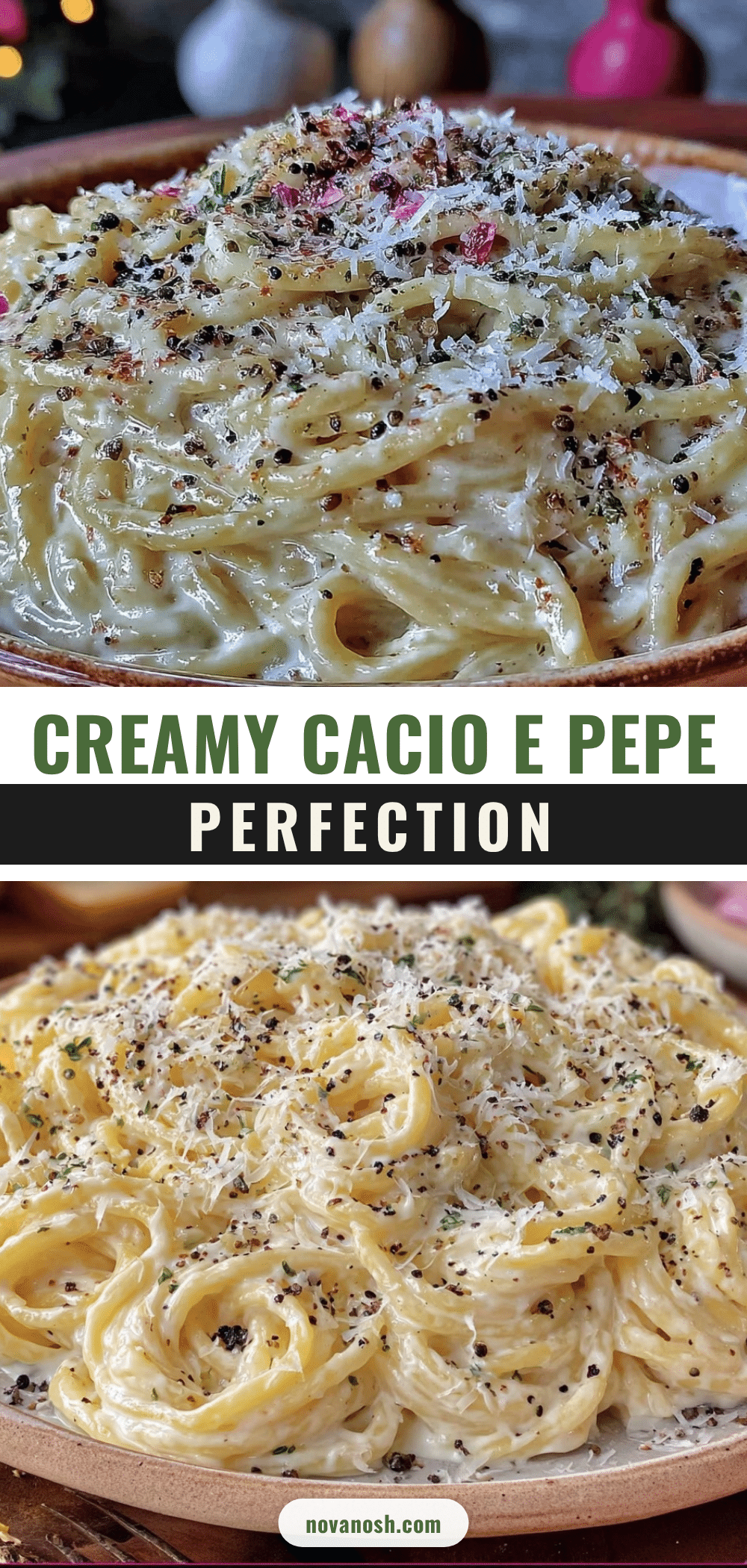
Easy Trattoria-Style Cacio e Pepe Recipe with Tonnarelli Pasta Everyone Loves

A simple yet perfectly balanced Italian pasta dish featuring tonnarelli pasta with a silky, clump-free Pecorino Romano and black pepper sauce, replicating the authentic trattoria texture and flavor.
- Prep Time: 5 minutes
- Cook Time: 15 minutes
- Total Time: 20 minutes
- Yield: 4 servings 1x
- Category: Main Course
- Cuisine: Italian
Ingredients
- 12 oz (340g) tonnarelli pasta (or thick spaghetti/bucatini as substitutes)
- 1 ½ cups (about 150g) finely grated Pecorino Romano cheese
- 2 tablespoons freshly cracked black pepper
- Salt (for pasta water, use generously)
- About 1 ½ cups (360ml) reserved pasta cooking water
- Optional: 1 teaspoon extra virgin olive oil
- Optional: Fresh parsley, chopped (for garnish)
Instructions
- Boil the pasta water and salt generously (5 minutes). Fill a large pot with water and bring to a rolling boil. Add a generous amount of salt—like the sea. Toss in the tonnarelli and cook until just shy of al dente, about 1-2 minutes less than package instructions.
- Toast the black pepper (2-3 minutes). While the pasta cooks, heat a large dry skillet over medium heat. Add the freshly cracked black pepper and toast it, stirring frequently, until fragrant and slightly darker—about 2-3 minutes.
- Reserve pasta water (1 minute). Before draining, ladle out about 1 ½ cups (360ml) of the starchy pasta water and set aside. Drain the pasta but do not rinse.
- Add pasta and some reserved water to the skillet (1 minute). Quickly transfer the drained tonnarelli to the skillet with the toasted pepper. Add about 1 cup (240ml) of reserved pasta water and toss to combine over medium-low heat. The water should start to reduce slightly.
- Gradually add Pecorino Romano cheese off the heat (3-4 minutes). Remove the skillet from heat. Sprinkle in the grated Pecorino Romano a little at a time, tossing or stirring vigorously with tongs or a wooden spoon to combine. If the sauce feels too thick or clumpy, add more reserved pasta water, a tablespoon at a time, until silky.
- Finish and adjust seasoning (1 minute). Taste and add more black pepper if desired. Optionally drizzle 1 teaspoon of extra virgin olive oil for added silkiness.
- Serve immediately. Plate the cacio e pepe while warm and creamy. Garnish with extra Pecorino, fresh parsley, and freshly cracked black pepper.
Notes
Do not add cheese on direct heat to prevent clumping. Use reserved pasta water to create a silky sauce. Toast black pepper to enhance flavor. Work quickly after draining pasta to emulsify sauce. If sauce clumps, add more hot pasta water and whisk vigorously. Undercook pasta slightly as it finishes cooking in the sauce.
Nutrition
- Serving Size: 1 serving (approxima
- Calories: 480
- Sodium: 720
- Fat: 14
- Saturated Fat: 8
- Carbohydrates: 65
- Protein: 18
Keywords: cacio e pepe, tonnarelli pasta, Italian pasta recipe, Pecorino Romano, black pepper pasta, easy Italian dinner, authentic cacio e pepe