Love this? Save it for later!
Share the inspiration with your friends
This was supposed to be a slow-simmered Sunday stew. I had the whole afternoon mapped out—a lazy braise that would fill the house with that cozy, can’t-wait-for-dinner smell while I caught up on laundry. But Tuesday night happened. I got home late from work, the kind of late where you walk in the door and the cat gives you a look that says, “I’ve been waiting.” I grabbed the pork tenderloin from the fridge, spotted the apple cider from our weekend orchard trip, and thought, “Well, this is going to be a disaster.” The recipe I had in my head needed hours. I had maybe thirty minutes before my family started circling the kitchen like hungry wolves. So I did something reckless. I threw everything into one pan, cranked the heat, and prayed. What came out was nothing like the plan—and better. Honestly, it was one of those meals that made me stop mid-bite and just stare at my plate. The pork was tender, the sauce was this glossy, sweet-tart magic, and the whole thing came together in one pan with minimal cleanup. I’ve made it every week since. Maybe you’ve been there—staring at a beautiful piece of meat and a clock that’s not on your side. This one’s for you. Let me tell you how it happened.
Why You’ll Love This Recipe
I’ve tested this recipe more times than I care to admit. The first few attempts were edible but nothing special. Then I figured out the trick—searing the pork hard, then letting the apple cider do its thing in the pan. The result? A dinner that tastes like you spent hours in the kitchen when you really didn’t. Here’s why this one’s a keeper:
- Quick & Easy : Comes together in under 30 minutes, perfect for those weeknights when you’re racing against the clock. I mean it—from start to plate, you’re looking at about 25 minutes of actual work.
- Simple Ingredients : No fancy grocery trips needed. Pork tenderloin, apple cider, a few pantry spices, and you’re golden. I bet you have most of this stuff right now.
- Perfect for Busy Weeknights : Great for those evenings when you need something hearty but don’t have the energy for a complicated recipe. It’s comfort food that respects your time.
- Crowd-Pleaser : My kids, who usually push pork around their plates, actually asked for seconds. My husband called it “restaurant quality.” That’s a win in my book.
- Unbelievably Delicious : The pork comes out so tender it practically falls apart, and the sauce—oh, that sauce. It’s sweet, tangy, and just a little bit savory. You’ll want to drink it with a spoon.
What makes this different from other pork tenderloin recipes? It’s the technique. Most recipes either dry out the meat or require a long braise. This one uses a quick sear followed by a fast simmer in apple cider, which keeps the pork juicy while building incredible flavor. Plus, it’s all done in one pan. Less cleanup, more eating. That’s my kind of cooking.
This recipe isn’t just good—it’s the kind that makes you close your eyes after the first bite. It’s comfort food reimagined, faster and simpler, but with the same soul-soothing satisfaction. Perfect for impressing your family without stressing yourself out.
What Ingredients You Will Need
This recipe uses simple, wholesome ingredients to deliver bold flavor and satisfying texture without the fuss. Most of these are pantry staples, which makes this dish perfect for those “I have no idea what’s for dinner” nights.
- Pork tenderloin (1 to 1.5 pounds) : Look for a tenderloin that’s uniform in thickness for even cooking. I usually grab one from the store, but if you have a butcher you trust, even better. Trim off any silver skin—that tough, silvery membrane—before cooking.
- Apple cider (1 cup) : Not apple cider vinegar! You want the sweet, unfiltered stuff. I prefer fresh-pressed cider from a local orchard, but store-bought works perfectly. The natural sweetness is key here.
- Chicken broth (1/2 cup) : Low-sodium is best so you can control the salt. I use homemade chicken broth when I have it, but boxed is fine.
- Olive oil (2 tablespoons) : For searing the pork. Avocado oil works too if that’s what you have.
- Butter (1 tablespoon) : Adds richness to the sauce. Unsalted is my preference so I can season separately.
- Garlic (3 cloves, minced) : Fresh garlic makes a difference here. Don’t use the jarred stuff—trust me on this.
- Fresh thyme (4-5 sprigs) : Adds an earthy, slightly floral note that pairs beautifully with the apple cider. Dried thyme works in a pinch, use about 1 teaspoon.
- Dijon mustard (1 tablespoon) : This is my secret weapon. It adds a subtle tang that cuts through the sweetness and helps emulsify the sauce. I recommend Grey Poupon for best texture.
- Salt and black pepper : To taste. Don’t be shy with the seasoning—pork loves salt.
- Optional: 1 apple, thinly sliced : I like adding a Honeycrisp or Granny Smith for extra texture and flavor. It’s not necessary, but it makes the dish feel more special.
For the seasoning rub, I use a simple mix of salt, pepper, and a pinch of smoked paprika. You can get fancy with it, but honestly, the apple cider does most of the heavy lifting here. If you want to swap things up, try using chicken broth instead of apple cider for a less sweet version, or add a splash of balsamic vinegar for extra depth.
Equipment Needed
You don’t need a fancy kitchen for this one. Here’s what you’ll need:
- Large oven-safe skillet or Dutch oven : I use a 12-inch cast iron skillet. It holds heat beautifully and gives you that perfect sear. A stainless steel pan works too, just make sure it’s oven-safe if you’re finishing the dish in the oven. I’ve used my trusty Lodge cast iron for years—it was my grandmother’s, and it’s never let me down.
- Tongs : For flipping the pork without piercing it. Trust me, you don’t want to lose those precious juices.
- Meat thermometer : This is non-negotiable. Pork tenderloin is lean and overcooks easily. A digital instant-read thermometer saves you from dry, sad pork. I’ve ruined enough pork to learn this lesson the hard way.
- Cutting board and sharp knife : For trimming the pork and slicing it after resting.
- Wooden spoon or spatula : For scraping up those browned bits from the pan—that’s where the flavor lives.
- Measuring cups and spoons : For the liquids and spices. Eyeballing works for some things, but not here.
If you don’t have a cast iron skillet, any heavy-bottomed pan will do. Just avoid non-stick for the searing step—you won’t get that beautiful crust. Budget-friendly option: a stainless steel skillet from a restaurant supply store. They’re cheap and last forever.
Preparation Method
Let’s get cooking. This comes together fast, so have everything ready before you start.
- Prep the pork (5 minutes) : Pat the pork tenderloin dry with paper towels. This is crucial—wet meat won’t sear properly. Trim off any silver skin or excess fat. Season generously on all sides with salt, pepper, and a pinch of smoked paprika. Don’t be shy. Let it sit at room temperature for 10 minutes while you prep the other ingredients.
- Heat the pan (2 minutes) : Place your skillet over medium-high heat. Add the olive oil and let it get hot—you should see it shimmer. A drop of water should sizzle on contact. This is where the magic starts.
- Sear the pork (6-8 minutes) : Carefully place the pork in the hot pan. Let it cook without moving for 3-4 minutes. You want a deep golden-brown crust. Flip using tongs and sear the other side for another 3-4 minutes. Don’t rush this step—the crust is flavor. If the pork sticks, it’s not ready to flip. Let it release naturally.
- Add aromatics (2 minutes) : Reduce heat to medium. Push the pork to one side of the pan. Add the butter and minced garlic to the empty space. Cook for about 30 seconds until fragrant, stirring constantly so the garlic doesn’t burn. Toss in the fresh thyme sprigs.
- Deglaze the pan (1 minute) : Pour in the apple cider and chicken broth. Use your wooden spoon to scrape up all those browned bits from the bottom of the pan. That’s pure flavor right there. Stir in the Dijon mustard until it’s fully incorporated.
- Simmer the pork (10-12 minutes) : Bring the liquid to a gentle simmer. Reduce heat to medium-low, cover the pan, and let it cook. The pork should reach an internal temperature of 145°F (63°C). Start checking at the 10-minute mark. If you’re adding apple slices, toss them in now.
- Rest the pork (5-10 minutes) : Once the pork hits 145°F, transfer it to a cutting board. Tent loosely with foil and let it rest. This step is not optional—resting lets the juices redistribute so your pork stays moist. While it rests, finish the sauce.
- Finish the sauce (3-5 minutes) : Turn the heat up to medium-high and let the sauce simmer uncovered until it thickens slightly, about 3-5 minutes. It should coat the back of a spoon. Taste and adjust seasoning with salt and pepper. If it’s too tart, add a tiny pinch of brown sugar. Too sweet? A splash of vinegar.
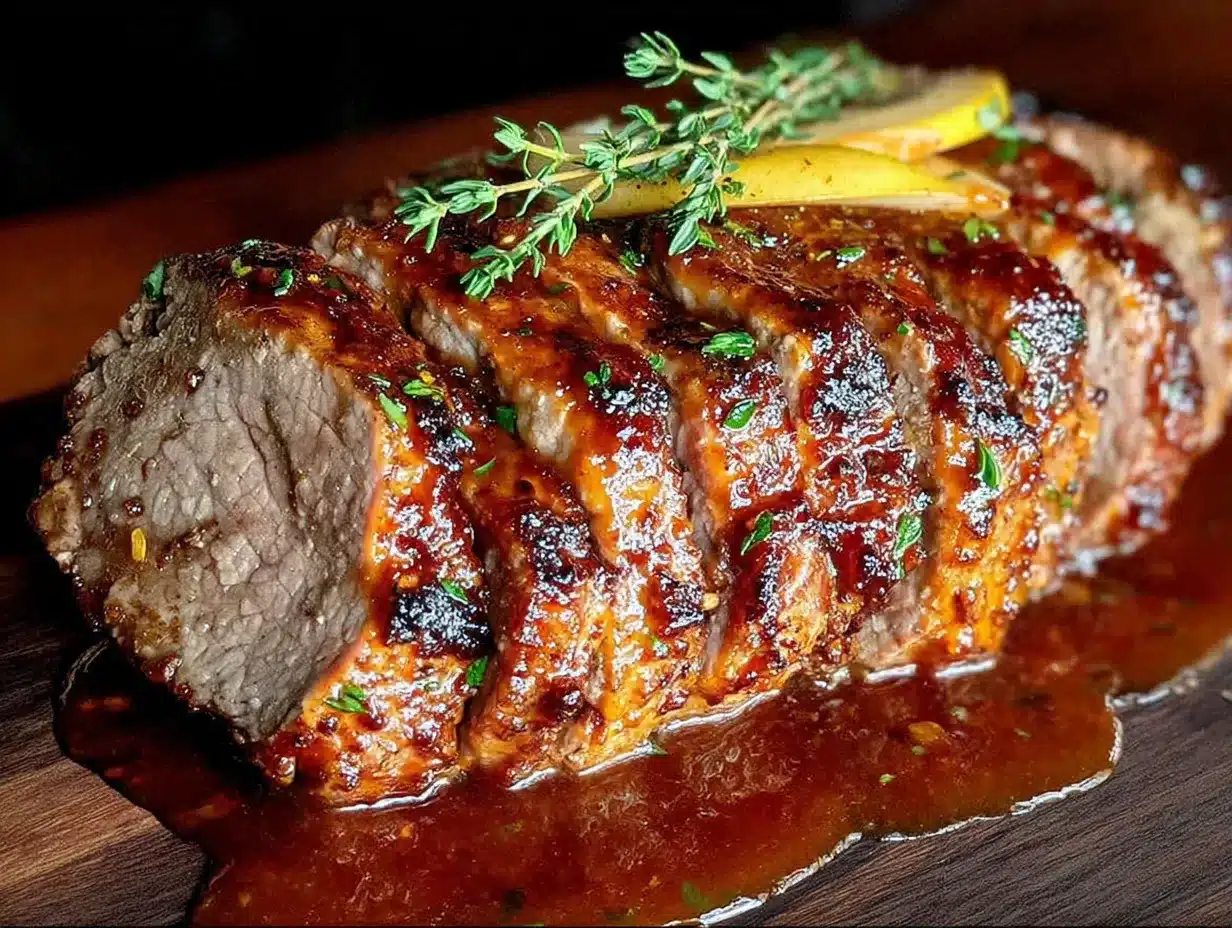
- Slice and serve (2 minutes) : Slice the pork against the grain into 1/2-inch thick medallions. Arrange on a platter, spoon the sauce over the top, and garnish with fresh thyme leaves. Serve immediately.
Your kitchen should smell incredible right now—like autumn in a pan. The pork should be tender enough to cut with a fork, and the sauce should be glossy and rich.
Cooking Tips & Techniques
I’ve made this recipe enough times to know where things can go wrong. Here’s what I’ve learned:
Don’t skip the sear. I know it’s tempting to just dump everything in the pan and call it a day, but that golden crust is where the magic happens. It adds depth and complexity that you just can’t get from simmering alone. The Maillard reaction is your friend. I once tried to save time by skipping this step, and the result was a pale, sad pork with watery sauce. Never again.
Watch the temperature. Pork tenderloin is lean and unforgiving. At 145°F, it’s perfectly cooked—slightly pink in the center and juicy. At 160°F, it’s dry and tough. Use that meat thermometer. I’ve overcooked enough pork to know the difference, and it’s heartbreaking. Set a timer if you have to.
Let it rest. I cannot stress this enough. If you slice into the pork right away, all those juices will run out onto your cutting board, leaving you with dry meat. Five minutes makes a huge difference. I usually use that time to set the table or pour myself a glass of wine.
Double the sauce. Seriously. The sauce is the best part, and you’ll want extra for drizzling over mashed potatoes or rice. I always make 1.5 times the amount called for. If you want it thicker, stir in a cornstarch slurry (1 tablespoon cornstarch mixed with 2 tablespoons cold water) at the end.
Multitask wisely. While the pork is searing, prep your side dishes. Roast some vegetables or start a pot of rice. The pork only takes about 20 minutes total, so have everything ready to go. I’ve learned to read the recipe through before starting—saves me from those frantic “where’s the thyme?” moments.
Variations & Adaptations
This recipe is flexible, so feel free to make it your own. Here are some variations I’ve tried:
Dietary adaptations: For a lower-sugar version, use unsweetened apple cider or swap half the cider with chicken broth. The pork will be less sweet but still flavorful. For a dairy-free version, skip the butter and use olive oil instead. The sauce might be slightly thinner, but it’ll still taste great.
Seasonal twists: In fall, add a cinnamon stick and a star anise to the braising liquid for a spiced version. In spring, swap the apple cider for white wine and add fresh rosemary. In summer, use peach nectar instead of apple cider—trust me, it’s amazing. I tried this last August with fresh peaches, and it was a whole different dish, but just as good.
Flavor variations: Add a tablespoon of whole-grain mustard for extra texture. Stir in a splash of heavy cream at the end for a creamy sauce. Or add a handful of dried cranberries for a sweet-tart pop. My personal favorite is adding a teaspoon of fresh grated ginger—it adds a warm, slightly spicy note that pairs beautifully with the apple.
Cooking method variations: You can finish this in the oven if you prefer. After searing, transfer the pan to a 375°F oven and cook for 12-15 minutes, or until the pork reaches 145°F. The oven method is more hands-off and gives you time to prep sides. For a slow cooker version, sear the pork, then transfer everything to the slow cooker and cook on low for 4-6 hours. The pork will be fall-apart tender, but you’ll lose some of that crust.
Allergen substitutions: For a gluten-free version, ensure your chicken broth is certified gluten-free. Most are, but check the label. For a low-FODMAP version, skip the garlic and use garlic-infused oil instead. The flavor will be slightly different, but still delicious.
Serving & Storage Suggestions
This dish is best served hot, right after resting. I like to slice the pork and arrange it on a platter, then spoon the sauce over the top. Garnish with fresh thyme leaves and maybe a few thin apple slices for color.
What to serve with it: This pork pairs beautifully with so many sides. Mashed potatoes are my go-to—they soak up that sauce like a dream. Roasted Brussels sprouts add a nice bitter contrast to the sweet sauce. A simple green salad with a tangy vinaigrette works too. For something heartier, serve it over egg noodles or creamy polenta. I’ve even served it with crusty bread for sopping up the sauce—no judgment here.
Drink pairings: A crisp hard cider is the obvious choice, and it’s perfect. A dry Riesling or an unoaked Chardonnay works too. For red wine drinkers, a light Pinot Noir won’t overpower the pork. And if you’re like me and prefer a cozy drink, a hot apple cider with cinnamon is lovely alongside this meal.
Storage: Leftover pork keeps in an airtight container in the refrigerator for up to 3 days. Store the sauce separately if possible, or pour it over the pork to keep it moist. The flavors actually deepen overnight, so leftovers might taste even better the next day.
Reheating: The best way to reheat is gently. Place the pork and sauce in a skillet over low heat, cover, and warm for 5-7 minutes. You can also microwave it, but go in 30-second bursts at 50% power to avoid drying out the meat. The pork won’t be quite as tender as the first time, but it’s still delicious.
Freezing: This dish freezes surprisingly well. Cool completely, then transfer to a freezer-safe container. It’ll keep for up to 3 months. Thaw overnight in the refrigerator and reheat gently. The sauce might separate slightly, but a quick whisk will bring it back together.
Nutritional Information & Benefits
Here’s the approximate nutritional breakdown per serving (based on 4 servings, without sides):
| Nutrient | Amount per Serving |
|---|---|
| Calories | 320 |
| Protein | 35g |
| Fat | 12g |
| Saturated Fat | 4g |
| Carbohydrates | 15g |
| Fiber | 1g |
| Sugar | 12g |
| Sodium | 480mg |
Pork tenderloin is one of the leanest cuts of pork, making it a great source of high-quality protein without excessive fat. It’s rich in B vitamins, particularly B6 and B12, which support energy metabolism and brain function. Apple cider provides antioxidants called polyphenols, which may help reduce inflammation. The garlic and thyme add their own health benefits—garlic is known for its immune-supporting properties, and thyme is rich in vitamin C and vitamin A.
This recipe is naturally gluten-free and can be made dairy-free with a simple swap. It’s also relatively low in carbs compared to many comfort food dishes, making it suitable for those watching their carbohydrate intake. If you’re following a low-sodium diet, use low-sodium chicken broth and go easy on the added salt.
From a wellness perspective, I love that this dish feels indulgent but is actually quite balanced. It’s the kind of meal that satisfies without weighing you down, which is exactly what I need on a busy weeknight.
Conclusion
This quick apple cider braised pork tenderloin started as a happy accident, but it’s become a staple in my kitchen. It’s proof that you don’t need hours of simmering or a complicated ingredient list to make something truly special. The pork comes out tender and juicy, the sauce is rich and flavorful, and the whole thing comes together in one pan with minimal fuss. What more could you ask for on a Tuesday night?
I hope you give this recipe a try. Don’t be afraid to make it your own—swap in different herbs, add more apples, or double the sauce. Cooking should be flexible, and this recipe is forgiving enough to handle your creativity. And if you do make it, I’d love to hear how it turned out. Drop a comment below or tag me in your photos. Happy cooking, friend.
Frequently Asked Questions
Can I use pork loin instead of pork tenderloin?
You can, but the cooking time will be different. Pork loin is thicker and takes longer to cook. You’ll need to increase the simmering time by about 10-15 minutes and check the internal temperature regularly. The texture will also be slightly different—pork loin is leaner and can dry out more easily, so watch it closely.
What if I don’t have apple cider?
No problem! You can use apple juice, but it will be sweeter and less complex. For a less sweet option, use half apple juice and half chicken broth. You can also use pear nectar or even white grape juice for a different flavor profile. The key is to have some sweetness to balance the savory elements.
Can I make this recipe in a slow cooker?
Yes! Sear the pork as directed, then transfer everything to a slow cooker. Cook on low for 4-6 hours or on high for 2-3 hours. The pork will be very tender, but you’ll lose some of the crust from searing. To compensate, you can add a bit more mustard and thyme to the slow cooker for extra flavor.
How do I know when the pork is done without a thermometer?
I really recommend using a thermometer, but if you don’t have one, look for these signs: the pork should be firm to the touch but still have some give, the juices should run clear when pierced, and the internal color should be slightly pink (not raw). When in doubt, cut into the thickest part to check. It’s better to undercook slightly and let it rest than to overcook.
Can I double this recipe for a crowd?
Absolutely. Double all the ingredients, but be careful not to overcrowd the pan when searing. Work in batches if needed. You might need to increase the simmering time slightly since there’s more liquid. The sauce may also take longer to reduce. Just keep an eye on the pork’s internal temperature and adjust as needed.
Pin This Recipe!

Quick Apple Cider Braised Pork Tenderloin – Easy One-Pan Dinner

A quick and easy one-pan pork tenderloin braised in apple cider, perfect for busy weeknights. Tender, juicy pork with a glossy sweet-tart sauce that comes together in under 30 minutes.
- Prep Time: 10 minutes
- Cook Time: 20 minutes
- Total Time: 30 minutes
- Yield: 4 servings 1x
- Category: Main Course
- Cuisine: American
Ingredients
- 1 to 1.5 pounds pork tenderloin
- 1 cup apple cider (not apple cider vinegar)
- 1/2 cup low-sodium chicken broth
- 2 tablespoons olive oil
- 1 tablespoon unsalted butter
- 3 cloves garlic, minced
- 4–5 sprigs fresh thyme (or 1 teaspoon dried)
- 1 tablespoon Dijon mustard (preferably Grey Poupon)
- Salt and black pepper to taste
- Pinch of smoked paprika
- Optional: 1 apple (Honeycrisp or Granny Smith), thinly sliced
Instructions
- Prep the pork: Pat the pork tenderloin dry with paper towels. Trim off any silver skin or excess fat. Season generously on all sides with salt, pepper, and a pinch of smoked paprika. Let it sit at room temperature for 10 minutes.
- Heat the pan: Place a large oven-safe skillet or Dutch oven over medium-high heat. Add the olive oil and let it get hot until shimmering.
- Sear the pork: Carefully place the pork in the hot pan. Cook without moving for 3-4 minutes until deep golden-brown. Flip using tongs and sear the other side for another 3-4 minutes.
- Add aromatics: Reduce heat to medium. Push the pork to one side. Add the butter and minced garlic to the empty space. Cook for about 30 seconds until fragrant, stirring constantly. Toss in the fresh thyme sprigs.
- Deglaze the pan: Pour in the apple cider and chicken broth. Use a wooden spoon to scrape up browned bits from the bottom. Stir in the Dijon mustard until fully incorporated.
- Simmer the pork: Bring the liquid to a gentle simmer. Reduce heat to medium-low, cover the pan, and cook for 10-12 minutes until the pork reaches an internal temperature of 145°F (63°C). If adding apple slices, toss them in now.
- Rest the pork: Transfer the pork to a cutting board. Tent loosely with foil and let it rest for 5-10 minutes.
- Finish the sauce: Turn the heat to medium-high and let the sauce simmer uncovered until it thickens slightly, about 3-5 minutes. Taste and adjust seasoning with salt and pepper.
- Slice and serve: Slice the pork against the grain into 1/2-inch thick medallions. Arrange on a platter, spoon the sauce over the top, and garnish with fresh thyme leaves. Serve immediately.
Notes
Don’t skip the sear—it builds flavor. Use a meat thermometer to avoid overcooking; pork is done at 145°F. Let the pork rest before slicing to keep it juicy. Double the sauce if desired; it’s great over mashed potatoes or rice. For a thicker sauce, stir in a cornstarch slurry (1 tablespoon cornstarch mixed with 2 tablespoons cold water) at the end.
Nutrition
- Serving Size: 1 serving (about 1/4
- Calories: 320
- Sugar: 12
- Sodium: 480
- Fat: 12
- Saturated Fat: 4
- Carbohydrates: 15
- Fiber: 1
- Protein: 35
Keywords: pork tenderloin, apple cider, one-pan dinner, quick dinner, weeknight dinner, braised pork, easy recipe